Historical June 1994 article. Dates, prices, services and contacts describe the source period; current availability has not been established.
Pet owners are sometimes surprised when their pet is diagnosed with a disease or condition common to humans.
Most pets, especially mammals, can have the same symptoms, treatments and complications of specific medical conditions as their human counterparts. Certainly there are variations between species and individual differences within a species; the metabolism of a Chihuahua is different than a great dane , but the general approach to treatment for pets is similar to that of humans. Diabetes Mellitus (high blood glucose) is common to both dogs and cats.
It generally affects middleaged, overweight pets. Owners are often alerted to a problem because their pet’s water consumption and urine output have increased. Well trained dogs may have accidents in the house and a cat’s litter box becomes noticeably more wet. Additionally, a formally overweight pct may lose appreciable amounts of weight over a few month span, despite a normal or increased appetite. One of my clients noted that her dog’s urine was “sticky” when it had a chance to dry on the floor, due to the high level of sugar in the urine. Diabetes is usually treatable in dogs and cats. Diet regulation is occasionally sufficient alone, especially in cats, but insulin injections are most often required to control the condition.
In rare instances the oral medication to increase insulin production will work for a diabetic cat. Close control of blood sugar levels in a diabetic pet can be difficult, but many owners become proficient at giving insulin injections. Many diabetic dogs and cats live full life spans. Hypothyroidism (low thyroid hormone) is more common to dogs than cats.
This condition can occur at any age but is most common in middle-aged or older dogs. Low thyroid levels generally result in overweight, lethargic pets with poor hair coats and “sad” facial expressions. Large brad dogs with severe hypothyroidism can die from low blood pressure and circulatory collapse. Blood tests are generally diagnostic for hypothyroidism. Treatment with daily thyroid hormone supplementation is corrective. Cockers, Dobermans and golden retrievers are breeds commonly affected. Addison’s disease (inadequate adrenal gland function) is not as common as hypothyroidism but we have diagnosed a few cases at Kingsbury Animal Hospital. Standard poodles are more prone to this disorder than other breeds.
The adrenal glands produce stcroid compounds; without the normal levels of steroids the dog is unable to cope with physically stressful situations and the bodies fluid and electrolyte balance is disturbed.
An Addison’s dog may be weak, lack a normal appetite, drink inadequate amounts of water and have episodes of unexplained vomiting and diarrhea. Diagnosis with blood tests is needed and is generally accurate. Treatment requires daily oral medication or long lasting injections.
The outlook for a dog with Addison’s is good. Treatment of a pet with these disorders can be very rewarding to the owners and the veterinarian.
However, more so than with human medicine, there are many variables which can affect the treatment .
Most pets with these disorders don’t read the text books; signs and symptoms may be variable. Response to treatment varies from pet to pet, breed to breed and species to species. Patience and persistence from the owners with help from the veterinarian can bring good control and return a pet to health.
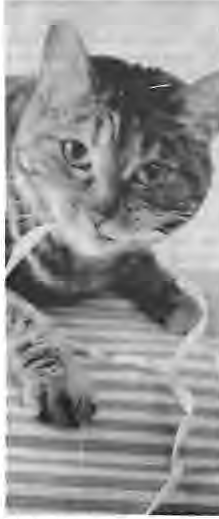
Original photograph caption
Maria Allen’s cat, Peggy Sue. Photo by King Schoenfeld.
Originally published in The Times of Skinker-DeBaliviere, June 1994.
Read this article in the original newspaper issue.
Original source: SD_Times1994_06.pdf, printed page(s) 7; PDF page(s) 7.
