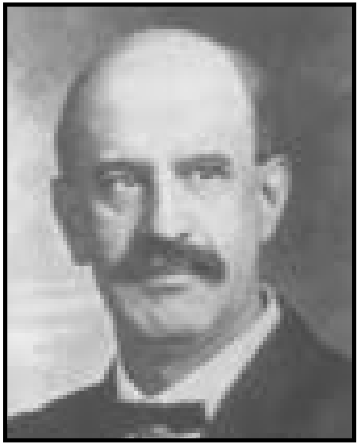
To the Editor of the PAPER: I have been writing a series of letters to the PAPER attacking the proposed Historic Distric Ordinance. My point has been that in the process of protecting this neighborhood from motel architecture and preserving structurally unsound wooden porches we will make it increasingly difficult for people of low to moderate income to live here.
With the exception of one paragraph, the Historic District Committee chose not to respond to this criticism. Instead it has reported on its efforts to define boundaries, prepare the statement of historical significance and classify the architectural style of our buildings.
In keeping with this nuts-and-bolts approach, the committee writes about the presentation of its proposal for enactment by the Board of Aldermen as one more detail to be taken care of. The Historic District Ordinance will be taken to City Hall “when prospects for its passage look good”-presumably after’ everyone in the neighborhood has been thoroughly bored by the technical details of the ordinance (and my sniping. at the whole idea). One day we will wake up and find that we have a new set of rules for home renovation and maintenance to comply with and a new bureaucracy to enforce them.
The Historic District Ordinance was first introduced to me at a Westminster Place block meeting. At that time opposition came through loud and clear. The Ordinance got its second reading at a dinner meeting at St. Roch’s where a number of pointed questions were asked. The last time the public had a chance to discuss this matter was at a general meeting on June 24, 1976 where opposition took the form of a demand, supported by half the voters at that meeting, to put a time limit on the ordinance. The emotional pleas of two of the Historic District supporters made it clear that there were some fundamental misgivings in the neighborhood about whether the Historic District is really a good thing for us. But why the 8:1 vote favor of the idea? Well, for one thing, no one at the meeting had very much to lose as a result of the ordinance. The heavy losers will be the owners of deteriorated wooden porches, some of whom have been cited for previous violations of the city building code. If one of these residents had been present to tell his story of harassment by building inspectors at the instigation of neighbors who did not like the fact that his children were in trouble with the law, then the ordinance might have been voted down out of revulsion against this practice, which can be carried on much more effectively with the new tools made available by this addition to the city building code.
But suppose I am wrong. Suppose the majority of the neighborhood wants this law in spite of its inherent unfairness, does this give the Historic District Committee the right to ignore its opposition? After all, we are your neighbors and our opinions should be heard and to some extent accomodated.
So. I call on the Committee to reopen public discussion of the issue, and if as a result of these discussions, we decide that we still want to present the ordinance to the Board of Aldermen, then let’s do so at an agreed-on date, and let’s make the hearings on the bill the climax of the whole affair , not the last detail;
Mike Stahl
Originally published in The Paper, March 1977.
Read this article in the original newspaper issue.
Archival transcription note: Printed Historic Distric, vote favor and accomodated retained.
Original source: SD_Times1977_03.pdf, printed page(s) 2; PDF page(s) 2.