The shop at the corner of Skinker and McPherson seems to stock almost everything. Beer and bread compete for space with pantyhose and popsicles, but as you move to the rear, knocking over toothpaste and toilet paper with your elbow, you find the most important part of the shop.
Behind a tall counter you find a stock of pharmaceuticals and a quiet Irishman.
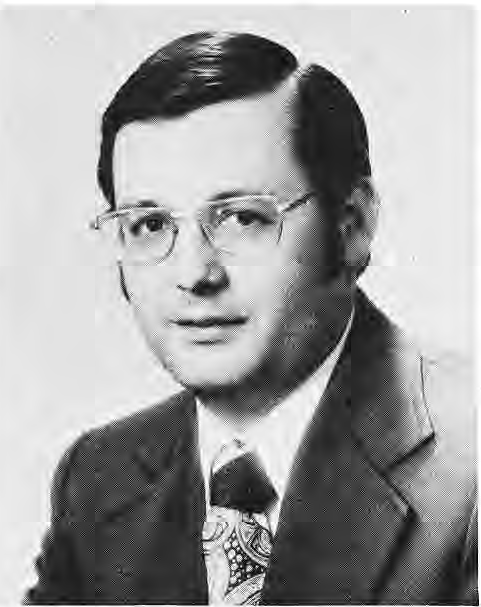
Quiet, dark-haired Bill Fitzpatrick has just celebrated his first anniversary in our neighborhood and has just been elected National President of Kappa Psi Pharmaceutical Fraternity, the country’s largest such organization. He is the youngest national president in the fraternity’s history and the first community pharmacist to hold this position.
“My election as national president will help break down barriers on campuses,” he said. “About eighty per cent of the students now studying pharmacy will work as community druggists, but a lot of them lose touch with national organizations. It’s not until ten or twelve years go by that they realize the value national organizations can have for them.”
Bill Fitzpatrick believes that the community pharmacist is the heart of the country’s drug business, and the soul.
“What I can offer is a level of personal service and consultation that a chain cannot. What most people don’t realize is that at a chain you’re probably not even talking to a pharmacist, just somebody in a white coat. The professional pharmacist is in the back.”
Bill has put his home phone number on his business card and says he is happy to come back in the evening to fill prescriptions,
“I know that when I have to do is provide service to the neighborhood,” he said.
What kind of service does the Skinker-DeBalivere neighborhood need?
Bill reports that of the twenty prescriptions he averages each day most are for either birth control pills or remedies for high blood pressure. The remainder are mostly for antibiotics.
Original photograph caption
Bill Fitzpatrick, neighborhood pharmacist. The Paper, October 1974, page 3. Photographer not credited.
Originally published in The Paper, October 1974.
Read this article in the original newspaper issue.
Original source: SD_Times1974_10.pdf, printed page(s) 3; PDF page(s) 3.