此内容暂无简体中文译文,以下为英文原文。
Historical November 1978 health column. Its vaccine, vitamin and other health statements are preserved as archival text and are not current medical recommendations.
For years, we have been told—with much salesmanship—that come Fall we should “winterize” our cars. With the energy crunch we are told, in addition, that we should “winterize” our homes. Maybe we should think about “winterizing” ourselves, too.
With the coming of cold weather and with school being back in session, people will be increasingly exposed to people— indoors. Whatever is “going around” will just go around that much faster. So, a few thoughts from the People’s Clinic on “winterizing.”
Since most of the winter diseases . . . the hacking coughs and chilly colds . . . are virus diseases, untouched by antibiotics, treatment mostly lies in keeping the sufferer comfortable while the body does the curing. We all have to put out more effort during the cold just to get where we have to go, and the body is subject to increased stress just when maximum resistance to disease is needed. Therefore, the first “winterizing” step is to BE GOOD TO YOUR BODY. The basics of body-maintenance are even more important in winter: a balanced diet, a good night’s sleep, moderate exercise. Cutting out (or down) on smoking, a helpful move any time, would cut in half the number of cases of winter bronchitis, in the opinion of one internist we know. Then, there is the Great Vitamin C Controversy: some say that the vitamin, in addition to preventing scurvy, will prevent colds; others say Vitamin C and hogwash are both equally good for colds. However, while poisoning oneself with Vitamin C is theoretically possible, it is rather difficult to do. So, if chugging orange juice is your thing—do it! If the only fringe benefit should be a happy frame of mind, that is also a part of good health!
One more time: Make Sure Everyone Is Up To Date On Immunizations! Winter’s indoors life encourage the spread of the “shots-for” diseases, just as they do the spread of colds. As for flu shots, despite the Great Swine Flu Shoot of a few years back, they are NOT recommended for everyone. The flu virus is subject to rapid change, and the strain going around might not be the one the vaccine fits (as all who had Swine Flu shots remember). However, immunization against the commoner strains with annual shots is recommended for those people who are “high risk”: the elderly, those who have chronic diseases, etc., who would be subject to complications from having an upper respiratory illness. For these folks, the small risk and inconvenience of a shot is little compared to the risk of serious complications from developing a bad case of flu. For those who fall in this last category, remember that it takes time to work up an immunity after a shot, so plan ahead.
It’s possbile to do a few things around the house to make an indoors winter better, too. The energy crisis has shown us that we often keep our houses too hot in winter; that also often means “too dry,” too. Dry air, naturally dries out the throats, noses and lungs that breathe it, and if that doesn’t actually foster getting a cold, it certainly makes it harder to get over one. Therefore, encourage humidity in the home (short, of course, of growing moss on the walls!) You could do this with a specially purchased humidifier, a classy antique water reservoir to fit your classy antique radiators, a plain old pan of water on the heater, or even those fashionable green growing plants scattered attractively about the house! The increased moisture in the air will mean fewer scratchy throats, however you do it.
When planning for winter, remember: the body needs exercise, but shoveling snow is not the world’s most popular pastime even if it is illegal to leave your sidewalks snowed in. Cold air and heavy exertion are downright risky for people with heart and lung disease, and people with circulation problems need to be careful about cold injuries to susceptibile fingers and toes, not to mention our friends who have “bad backs” and what a snow shovel can do for them. So, we can’t prevent snow (despite our subtropic summers, it DOES snow in St. Louis), and we have to clear the sidewalks to prevent falls (and possible summonses.) Our suggestion for winterizing yourself, if you shouldn’t shovel, is to make prior arrangements with one of the able-bodied kids who abound in our neighborhood. With summer jobs over, probably being out of school on a snow day, they would probably like the cash—and the outlay of money would probably be repaid in the saving of misery.
The People’s Clinic is interested in health care: preventive medicine is one of the best ways of taking care of your health. “Winterizing” your self is simply preventive health care with a seasonal slant: thinking ahead and taking some simple measures to lower the risk of ill-health. We hope you all enjoy the pleasures of winter: the sledding, the conviviality of being with friends, the beauty of a new snow, and the adventure of simply getting somewhere, at times . . . in good health.
Original photograph caption
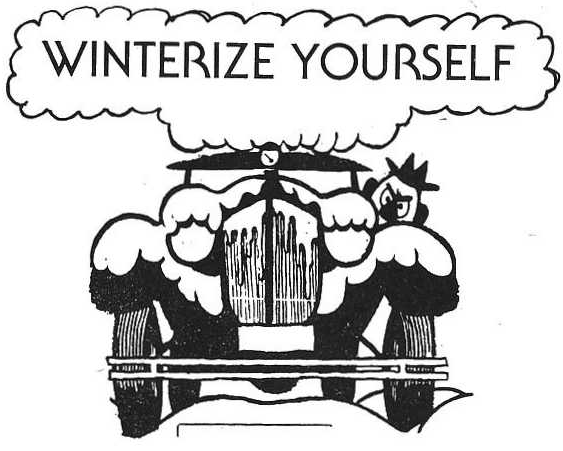
Original Winterize Yourself illustration. The Paper, November 1978, page 5. Artist not credited.
Originally published in The Paper, November 1978.
Read this article in the original newspaper issue.
Archival transcription note: Original influenza-vaccine and Vitamin C statements are historical source claims, not current medical recommendations. Printed “possbile” and “susceptibile” retained.
Original source: SD_Times1978_11.pdf, printed page(s) 5; PDF page(s) 5.
