Historical Summer 2021 article. Dates, prices, services and contacts describe the source period; current availability has not been established.
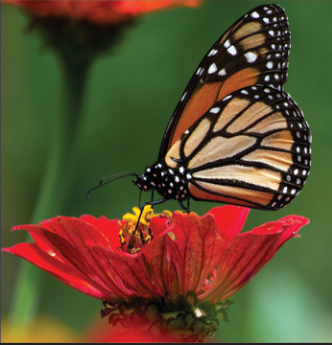
Summer is peak butterfly season for those who notice and enjoy them. Although less common than in years past, it is still not unusual to see all kinds in St. Louis, fluttering from flower to flower. Missouri Department of Conservation’s observers have recorded almost 200 hundred different species of butterflies in Missouri. Appreciating their beauty is a pleasure, but understanding their value to our ecosystem is imperative. Butterflies are important for pollination. Over 85 percent of plants require pollination to reproduce and the vast majority of the pollination is done by insects. Butterflies pollinate over greater distances than many insects, ensuring reproduction across distances providing needed support for at-risk plant species. Butterflies are also valuable as indicator species. Indicator species are used by scientists and conservationists to measure the health of ecosystems (like the impacts of pollution), to determine whether an area is being adequately maintained or restored, and to notice warning signs of dangerous changes (like climate change). Reductions in butterflies can be a signal that things are awry.
There are many threats to butterfly and pollinator populations.
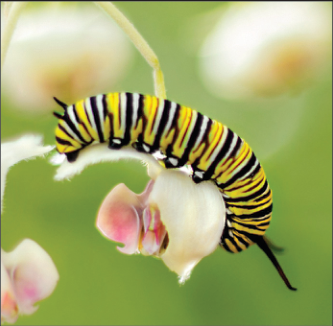
The greatest has been loss of habitat to development and climate change, but pesticide use and invasive species can also lead to population loss. Many people are finding ways to contribute their efforts to helping save and restore butterfly populations. One common way to help is by planting a butterfly-friendly garden. Many common annuals and perennials appeal to butterflies, including Gaillardia, Cosmos, Marigolds, Bee Balm, Black-Eyed Susan, Hollyhock, Purple Coneflower, and Butterfly Bush. MonarchWatch.org also encourages waystation gardens specifically for Monarch butterflies. Monarchs are good at spotting their favorite plants, so a garden with several kinds of milkweed will often attract them not only to feed, but a place to lay eggs as they travel north. Watching the caterpillars grow and transform into butterflies is a wondrous thing to see. Butterflies, because of their role as indicator species, are also a great venue for citizen science. MonarchWatch.org has an annual census where people volunteer to count Monarchs.
There are phone apps that assist people to provide research grade observations to scientists. iNaturalist is a common app for this kind of citizen science. One of the most useful ways to contribute to the scientific study of butterflies is to join the Missouri Butterfly Monitoring Network through the Missouri Botanical Gardens.
The network plans Pollard Walks and trains people in conducting them.
A Pollard Walk is a short walk, conducted several times a year over a documented path, with a specific observation protocol.
Most walkers repeat their walks over the course of years, providing observation data that is entered in a nation-wide database.
The data is used not just to measure butterfly populations, but to assess the health and quality of ecosystems. Whether you contribute to citizen science efforts like MonarchWatch or the Missouri Butterfly Monitoring Network, or you start including more butterfly friendly plants in your garden, it is important to recognize that your efforts are important, not just to save butterfly populations, but because butterflies represent an important indicator of the health of our environment. Consider the butterflies, because their presence is not just a blessing, but an indication of the health of our land.
Original photograph caption
Monarch caterpillar illustration.
Originally published in The Times of Skinker-DeBaliviere, Summer 2021.
Read this article in the original newspaper issue.
Archival transcription note: Original says almost 200 hundred different species; anomalous wording preserved rather than silently interpreting.
Original source: SD_Times2021_06.pdf, printed page(s) 4; PDF page(s) 3.





