Historical September–October 2020 article. Dates, prices, services and contacts describe the source period; current availability has not been established.
Gardeners often begin by gardening for their own use, and with time realize that certain gardening practices and plant choices provide food and protection for wildlife, especially birds, over the fall and winter. Fall is a key season for this.
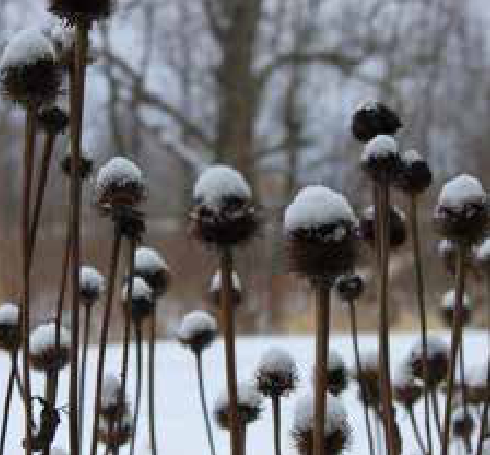
A few simple steps taken now can make your yard and garden a haven for wildlife. Many people clean out their gardens in the fall, but may do too much, making it barren for birds and wildlife. Raking leaves and deadheading flowering plants may things look tidy, but also destroys habitat for the insects that feed birds over the winter. Using leaf litter to mulch planting beds is a great way to attract wildlife. Leaf litter often contains seeds and insects that birds welcome as food sources once the weather grows cold. Rather than removing dry plant stems before winter, keep them, as many of these contain seed heads that birds look for as fall turns to winter. Standing seed heads can not only look dramatic in the winter, but also attract birds. Leaving hedges and shrubs unpruned until the end of winter is another common wildlife gardening strategy.
This provides birds shelter and gives them time to get all the berries. Providing water with a bird bath and food in the coldest months in bird feeders helps bird by ensuring that they are healthy in the spring when nesting season arrives. Try to use squirrel resistant bird feeders (note the use of the word resistant; almost nothing is squirrel-proof). Missouri natives are preferred plants to attract wildlife. Choosing Missouri native plants makes sense because these plants are common food sources for Missouri wildlife.
There are many Missouri native plants to choose from. Lists of wildlife friendly are available from Grow Native!, Missouri Botanical Gardens, and the Missouri Department of Conservation.
Some common native shrubs are Winterberry, Beautyberry, Nannyberry, Witchhazel and Pagoda Dogwood. Included in many lists of Missouri native grasses that support wildlife are Big Bluestem, Little Bluestem, Switchgrass, Indian Grass and Prairie Dropseed. Missouri native flowering plants that can be left standing over the winter include Purple Coneflower, Blazing Star, Rudbeckia, Wild Bergamot and many types of Sunflowers. By using leaf litter, leaving plant stems standing, pruning at the end of winter and choosing Missouri native plants, you can make sure your garden or yard has visual interest for you and food sources and shelter for birds and insects through the cold winter months. Your garden planning helps our winter wildlife.
Original photograph caption
Winter seed heads and snow.
Originally published in The Times of Skinker-DeBaliviere, September–October 2020.
Read this article in the original newspaper issue.
Original source: SD_Times2020_09.pdf, printed page(s) 4; PDF page(s) 4.





