Historical April–May 2000 article. Dates, prices, services and contacts describe the source period; current availability has not been established.
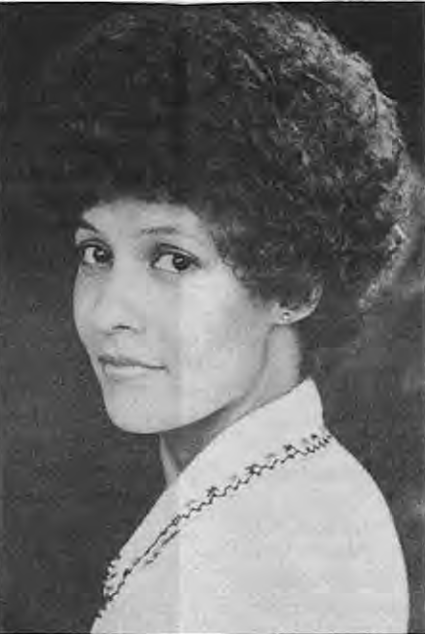
For many Skinker-Debaliviere residents in the early seventies, the mission was clear: get out the news to the rest of St. Louis about the charms of the neighborhood and its enterprising community eager to develop an area that some considered on the way down. Tired of dealing with the day to day issues of barking dogs, stolen copper gutters, and alley clean-up, neighbors also wanted to turn their energies and enthusiasm to some positive, creative venture. Melodrama, never far from their lives, took to the stage. Nine productions followed in the period 1974 to 1991. Casts and dinner menus changed, but the eagerness and commitment of those who gave their time were remarkably consistent says Rita Washington-Sweets, director of seven of the nine productions. “There is nothing like a neighborhood to form a bond of trust.
They were daredevils and scavengers, who could do everything with nothing.
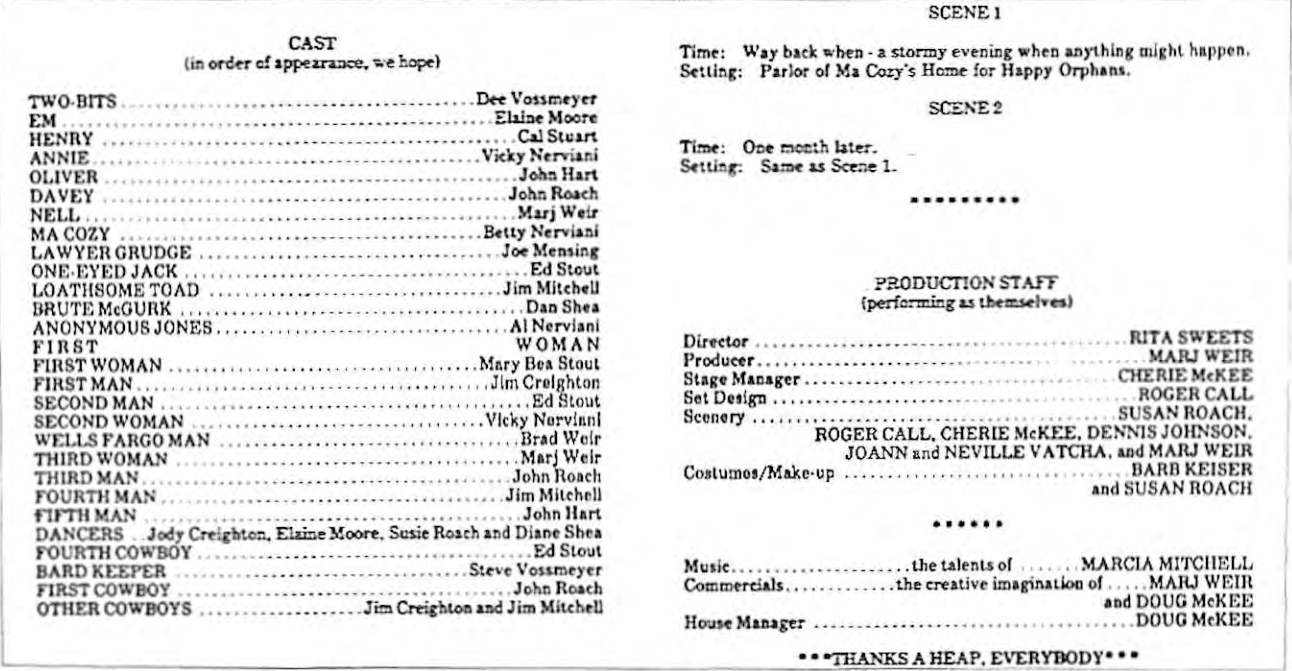
There was a spirit of everybody making it work.” The tradition began on November 16, 1974 when the Rosedale Neighborhood Association presented The Fastest Thimble in the West” starring the Far West End, Dead End, No Name. No Count Players. Neighbors divided the evening between Grace Methodist Church, where they enjoyed the melodrama, and St. Roch’s Scariot Hall, where they were served a potluck dinner.
The evening’s entertainment. feast included. cost $4 ($3.50 if tickets were purchased in advance). Proceeds supported the projects of the RNA.
Residents were encouraged to bring friends from outside the neighborhood to introduce them to the area.
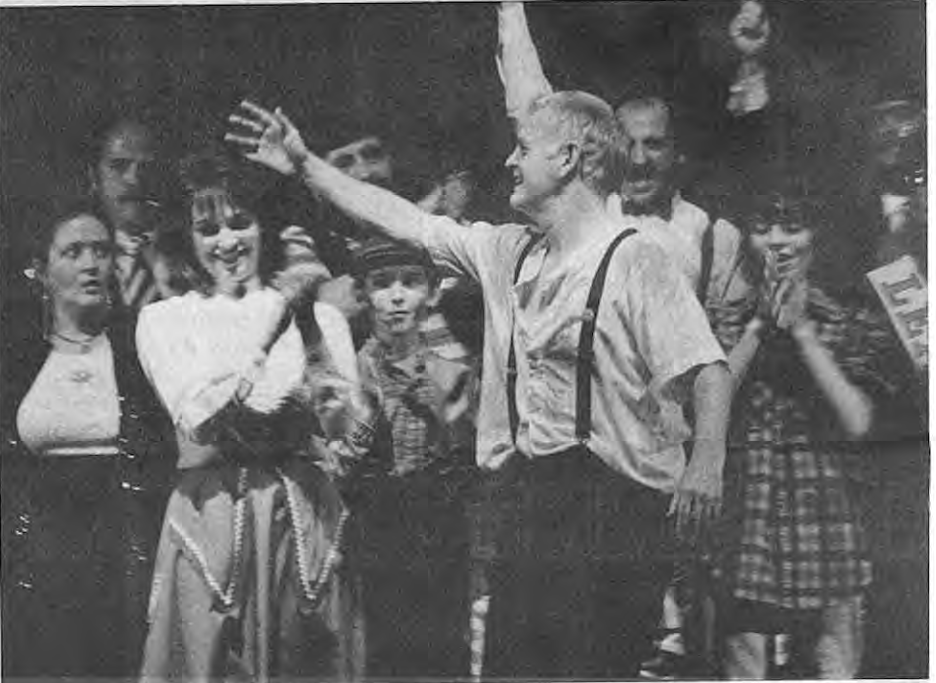
An audience of over 200 alternately cheered and booed the varied talents of lawyers, politicians, teachers, artists, musicians, homemakers and realtors. Large casts and the Introduction of musical numbers between acts gave even more opportunity to enjoy local performers.
While the melodrama did not draw a Post Dispatch reviewer, the paper reported the reallife excitement that took place during one rehearsal when two of the dance-hall girls reported an attempted purse-snatching. Actors in western costumes, including an alderman in a red-flannel nightgown, pursued the bandits through the neighborhood but eventually gave up the search and re-holstered their cap-guns.
The success of the first production led to another in 1975, a Gothic thriller called the “The Last of the Ghastleys,” as neighborhood talent retitled itself The Hearse, Purse and Body Snatchers Repertory Co.
The successful formula of lame scripts, shameless performers. and affordable dinner and drinks was converted into an annual event . Increasingly larger audiences came to see ‘No Opera in the Opry House Tonight” in 1976 and ‘Virtue Victorious” in 1977. Success took its toll, however. as the neighborhood moved toward stability and prosperity and melodrama volunteers got involved in other local projects as well as their busy careers. For a while, the lights went out on the stages of Skinker DeBaliviere.
In 1986 Neville Vatcha encouraged a return of the dinner theatre to celebrate the 20th anniversary of the Skinker-DeBaliviere Community Council.
With the help of Nancy Farmer, then executive director of the SDCC, Rita Washington-Sweets returned to direct “Penelope: Pride of the Pickle Factory,” which was performed at New City School.
This bigger and more ambitious production received rave reviews and brought ticket prices to a whopping $12.50 (with a much more elaborate dinner).
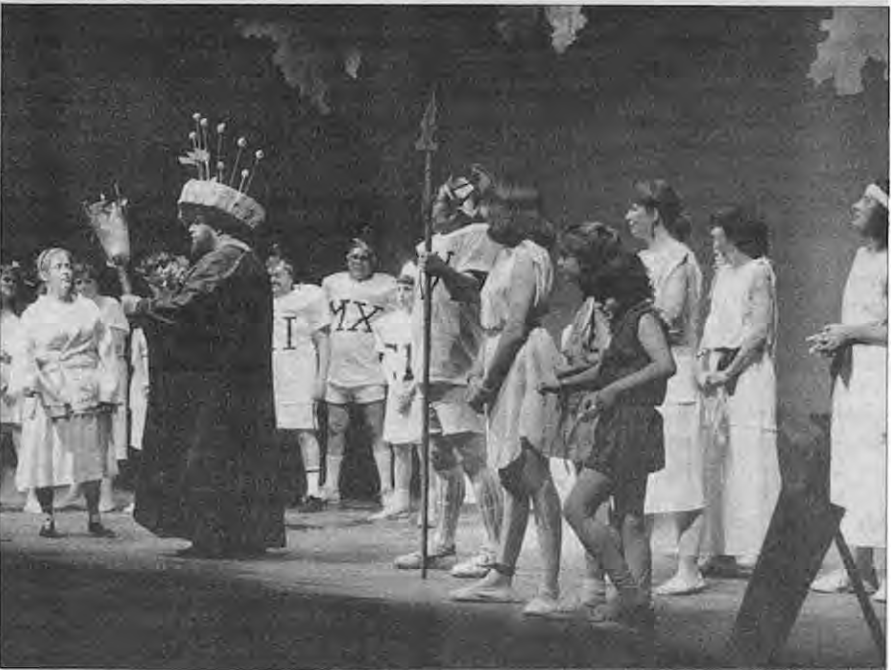
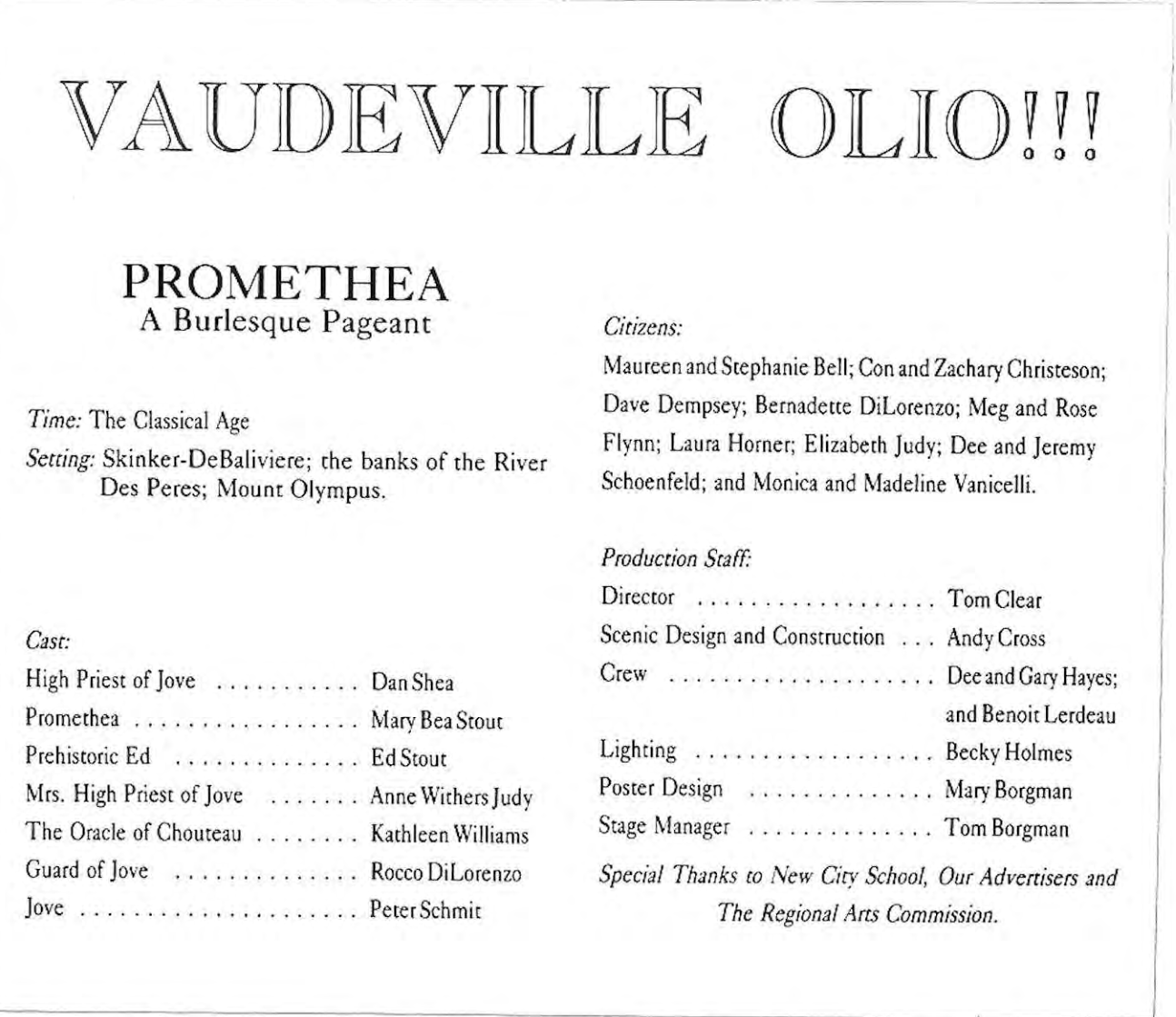
In its second life, the melodrama took to the stage of COCA for a production of “West of the Pecos” in 1988. then returned to New City School for “Too Many Nights in the Barroom” in 1989. Tom Clear, directing The 80 Proof Players, brought special musical talents to the 1989 production and in 1990 undertook the less than Greek “Promethea: A Burlesque Pageant” with its classical setting “on the banks of the River Des Peres” and a cast that included Mr. and Mrs. Jove and the late Mary Bea Stout as Promethea.
To come full circle, the last dinner-theater in 1991 was a reprise of the first, Rita Washington-Sweets once again directing “The Fastest Thimble in the West.” Showing its age and a penchant for nostalgia, the cast called itself the “Never Say Never, Just One More Time, Last Chance to Dance, Melodrama Players.” in a recent conversation, Rita mused sweetly, “It’s not hard to imagine doing it again.”
Original photograph caption
Rita Washington-Sweets, director of many neighborhood dinner-theatre productions. Source photograph or program; creator not credited.
Originally published in The Times of Skinker-DeBaliviere, April–May 2000.
Read this article in the original newspaper issue.
Archival transcription note: Body identifies 1991 as last production,while reproduced program caption callsMay 1990 last. Both source statements retained.; 1989 cast caption ends Rose without surname; no name invented.
Original source: SD_Times2000_04.pdf, printed page(s) 6, 7; PDF page(s) 6.
