When we first talked about putting together a pre-primary summer issue of The Times focusing on several of the campaigns of particular interest to this neighborhood, someone made the comment that this was the first time we had ever had a neighbor running for governor. However, I vaguely remembered something from the Harkman, Stuart, and Tepas neighborhood history which mentioned a previous race where several neighbors were involved. A trip to the Missouri Historical Society’s new library provided more information than I expected.
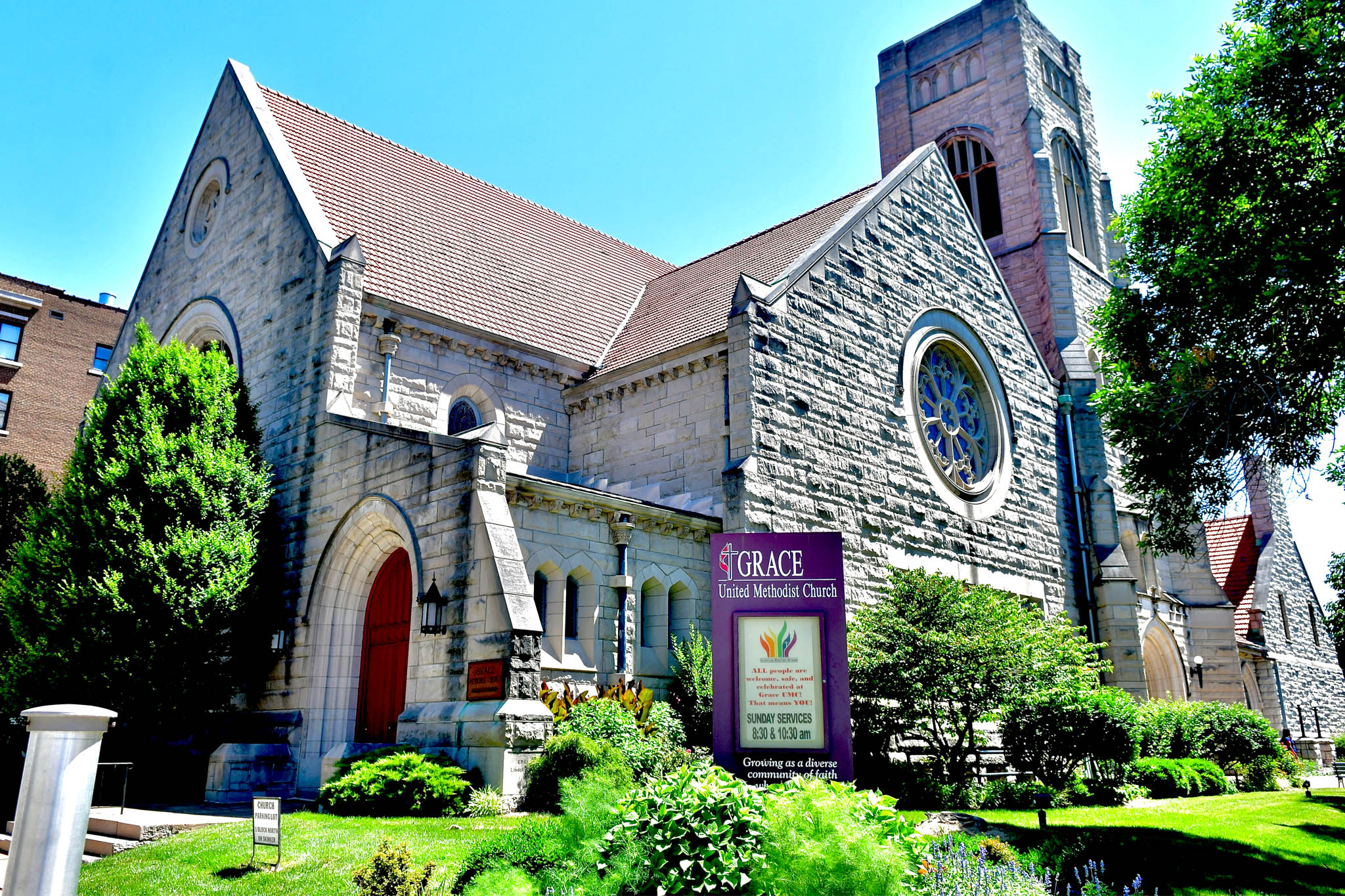
In 1940 Democrat Lawrence J. McDaniel ran against Republican Forrest C. Donnell, who won the election by a margin of 1,613 votes. McDaniel lived at 5936 Waterman. He was a lawyer and served as St. Louis Excise Commissioner as an appointee of the mayor, Bernard Dickmann. He and his wife Elsie were members of Grace Methodist Church.
Donnell, not really a “neighbor,” lived at 55 Joy in Webster Groves and was a partner in the law firm of Donnell and McDonald downtown. But like the McDaniels, he and his wife were members of Grace Methodist.
Because of the close margin of votes, the election results were hotly contested. Roosevelt had won in Missouri by 87,000 votes, Harry Truman had been reelected Senator, and the Democrats had won a majority in both houses as well as five statewide offices. But Donnell, a Republican, had apparently won the governorship.
The campaign had been filled with accusations of corruption and bossism in the Democratic primary as well as before the November election. The governor’s office controlled many patronage jobs, and the Democrats were unwilling to give up easily. They chose to fight by refusing to certify the results of the election and thereby preventing Donnell from being seated.
Their principal claim of an unfair count was that many individuals who voted a straight Democratic ticket had crossed out McDaniel’s name, thereby not voting for him. The Democrats believed, however, that many of those ballots had been counted as a vote for Donnell, which should not have been the case unless the voter had also made a mark next to Donnell’s name on the ballot.
The battle waged in the courts and in the press for months. Finally, Donnell was sworn in as governor in late February, six weeks late, and, to make a long story short, the eventual recount increased Donnell’s margin. According to Thomas F. Soapes, Oral Historian of the Dwight D. Eisenhower Library, and author of “The Governorship Steal and The Republican Revival,” (Bulletin of the Missouri Historical Society, April 1976, pp. 158-163), which is where much of this material comes from, the Missouri Republican Party enjoyed a major upswing in its electoral fortunes in the 1940s in large part because of this debate and the unfavorable press the Democrats received.
Forrest Donnell was elected Senator from Missouri in 1944 and served until 1951. When they returned to Missouri, the Donnells lived at 4615 Lindell. Both Mrs. Donnell and Mrs. McDaniel were members of the Grace Methodist Women’s Club in 1962.
As I pulled this report together, late as usual, E.F. Porter’s June 7 report in the Post-Dispatch on Parkview subdivision’s efforts to attain University City historic district status noted that Henry Caulfield, lawyer, investor and trustee of Parkview, became governor of Missouri.
More details than that will require another trip to the library—or details from a Parkview historian.