Historical February–March 2021 article. Dates, prices, services and contacts describe the source period; current availability has not been established.
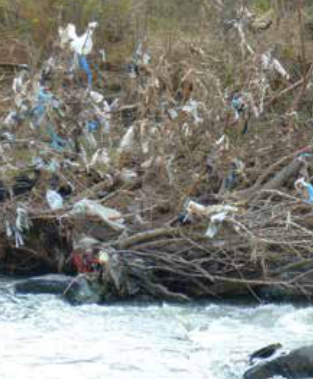
We have all seen it — a plastic grocery bag caught by a tree, a styrofoam soda cup in the street, single-use water bottles left on a playing field.
We may have even noticed the opposite; a block or an alley with no trash on the ground or plastic grocery bags floating on the breeze.
There are many spots in our neighborhood where there is little or no trash, often because of neighbors’ efforts. Litter of bags, cups and bottles creates many problems.
It looks bad and makes our neighborhood look uncared for.
It is unhygenic.
It encourages more trash.
These issues are important, but there are also planet-wide issues that result from this pollution.
The negative impact of plastic shopping bags is easy to trace, because they have been closely tracked. Plastic bags cost less to produce and are theoretically recyclable, so they have grown in popularity in recent decades.
Most retail stores have plastic bag recycling stations at their entrances.
In reality, however, less than 1 percent of shopping bags are returned to stores for recycling. And they are still produced at an astounding rate. Humans produce 5 trillion plastic bags per year, or about 160,000 per second. Of the 100 million tons of plastic produced every year, about ten percent ends up in the ocean. Plastics do not break down rapidly in nature like cardboard or paper.
When plastics break down, they are not transformed by composting processes; they just become smaller pieces of plastic.
There is a new scientific term for these small pieces of plastic — microplastics. Plastic pollution is impacting many global systems that humans need.
The ocean is a good example.
The World Counts is a data website that uses reliable institutional data to research planetary concerns.
According to their calculations, the worlds’ oceans may contain more plastic than fish by weight by the year 2050. Microplastic tend to collect in the digestive organs of creatures and are found in harmful quantities in 117 species of ocean fish, half of which are used by humans for food.
In this way, our plastic use is contributing to our own health issues. So reduce your plastic use! Onestl.com has recommendations for sustainable practices even during COVID. Their first recommendation is to bag your own groceries at your car in your own reusable bags (just ask the store to put your groceries back in your cart, unbagged.) Many stores also provide paper on request. Paper bags are recyclable and you can use the paper bags to collect other recyclables; just remember to empty the bags at the dumpster (this makes recycling machinery run more smoothly). Plastic shopping bags can be repurposed for pet waste.
Finally, if you do end with plastic bags (or other stretchy plastics), collect them.
They don’t take up too much space, and in a few months, you will be able to return them to the stores that handed them out.
Original photograph caption
Plastic bags caught in trees.
Originally published in The Times of Skinker-DeBaliviere, February–March 2021.
Read this article in the original newspaper issue.
Original source: SD_Times2021_02.pdf, printed page(s) 4; PDF page(s) 4.





